Cultivating Success: 4 Strategic Partnerships for Commercial Greenhouses
Insights on vertical farming - January 17th 2026
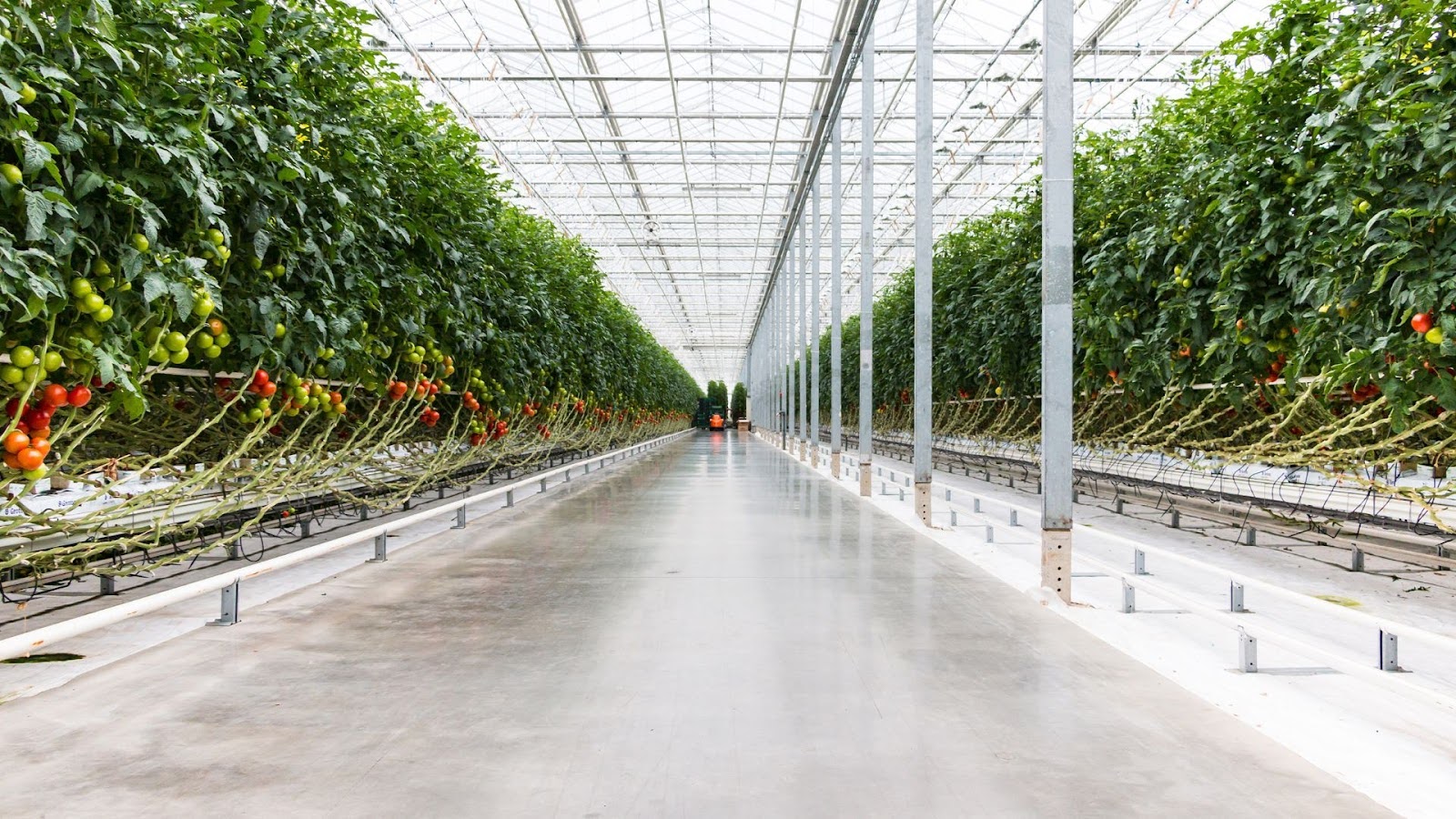
The commercial greenhouse sector is undergoing a profound transformation, driven by consumer demand for locally sourced, sustainable produce, and the need for resilience in the face of climate uncertainty. For both burgeoning operations and established facilities in regions spanning North America to Europe, securing the right strategic relationships is no longer optional—it's essential for achieving sustained growth and profitability.
To truly thrive, greenhouse managers benefit from cultivating a strong ecosystem of collaborators. By partnering with experts across operations, financing, and technology, they can gain valuable support, streamline efficiency, and scale sustainably — all while staying rooted in their own knowledge and leadership.
The Four Partnerships
1. Energy Advisors: The Hidden Growth Partner
Greenhouses consume less energy than vertical farms, but their consumption profile is complex. Energy advisors specialized in horticulture are an underrated competitive advantage — helping you optimize lighting, temperature control, and ventilation in highly dynamic conditions.
Benefits of Partnering with a Greenhouse Energy Advisor:
- Unlock Incentives: Secure access to government and utility rebates, subsidies, and low-carbon funding opportunities in Canada, the U.S., and Europe.
- Reduce Operating Costs: Implement advanced load shaping and demand-response strategies to shift energy use outside peak hours and lower your monthly bills.
- Accelerate AgTech Integration: Deploy cutting-edge LED systems, climate software, and microgrids faster with expert support, enhancing yield and ROI.
✅ Ideal for: Facilities in regions with fluctuating daylight hours or energy volatility — including Québec, Ontario, California, and Northern Europe.
2. Public-Private Collaborations: Unlocking R&D and Grants
To compete in today’s climate-sensitive, capital-cautious environment, funding diversification is key. Collaborating with universities, government institutions, and non-profit agricultural groups gives your greenhouse a strategic advantage.
What These Collaborations Offer:
- Access to Grants: Unlock non-dilutive funding for precision agriculture, sustainability initiatives, or infrastructure upgrades.
- Innovation Pipeline: Co-develop or test novel growing techniques, substrates, or automation tools.
- Reputation Boost: Align with climate-resilient food production goals, strengthening your position for future tenders or investor interest.
🌍 Pro tip: European greenhouses are increasingly tied to research institutions; North American growers can adopt this model for long-term advantage.
3. In-House Collaboration & Diversification: Smart Synergy
Forward-thinking greenhouse operators are breaking the mold by inviting smaller growers or combining production methods (e.g., adding an indoor test zone within the greenhouse facility).
How This Pays Off:
- Shared Resources: Consolidate admin, HVAC, and labor across production types.
- Product Line Expansion: Grow high-margin specialty crops year-round in smaller indoor units.
- Tech Risk Mitigation: Use the indoor section to safely test new lights, sensors, or substrate systems before full deployment.
🌱 Example: Pair hydroponic lettuce with microgreen or mushroom production to create value-add bundles for grocers or foodservice clients.
4. Racking & Vertical Optimization: The Infrastructure That Scales
Beyond partnerships on paper, the most direct boost to output comes from your physical infrastructure. A trusted greenhouse racking partner ensures you maximize square footage, light exposure, and worker ergonomics — all while future-proofing for expansion.
Why Mobile Vertical Systems Matter:
- Maximized Yield per Sq. Ft.: Replace static aisles with mobile racks for full wall-to-wall plant coverage.
- Optimized Light Capture: Designed for even light distribution—natural and supplemental—improving photosynthesis and plant vitality.
- Built for Growth: Modular and scalable with layout planning, ROI modeling, and post-install support.
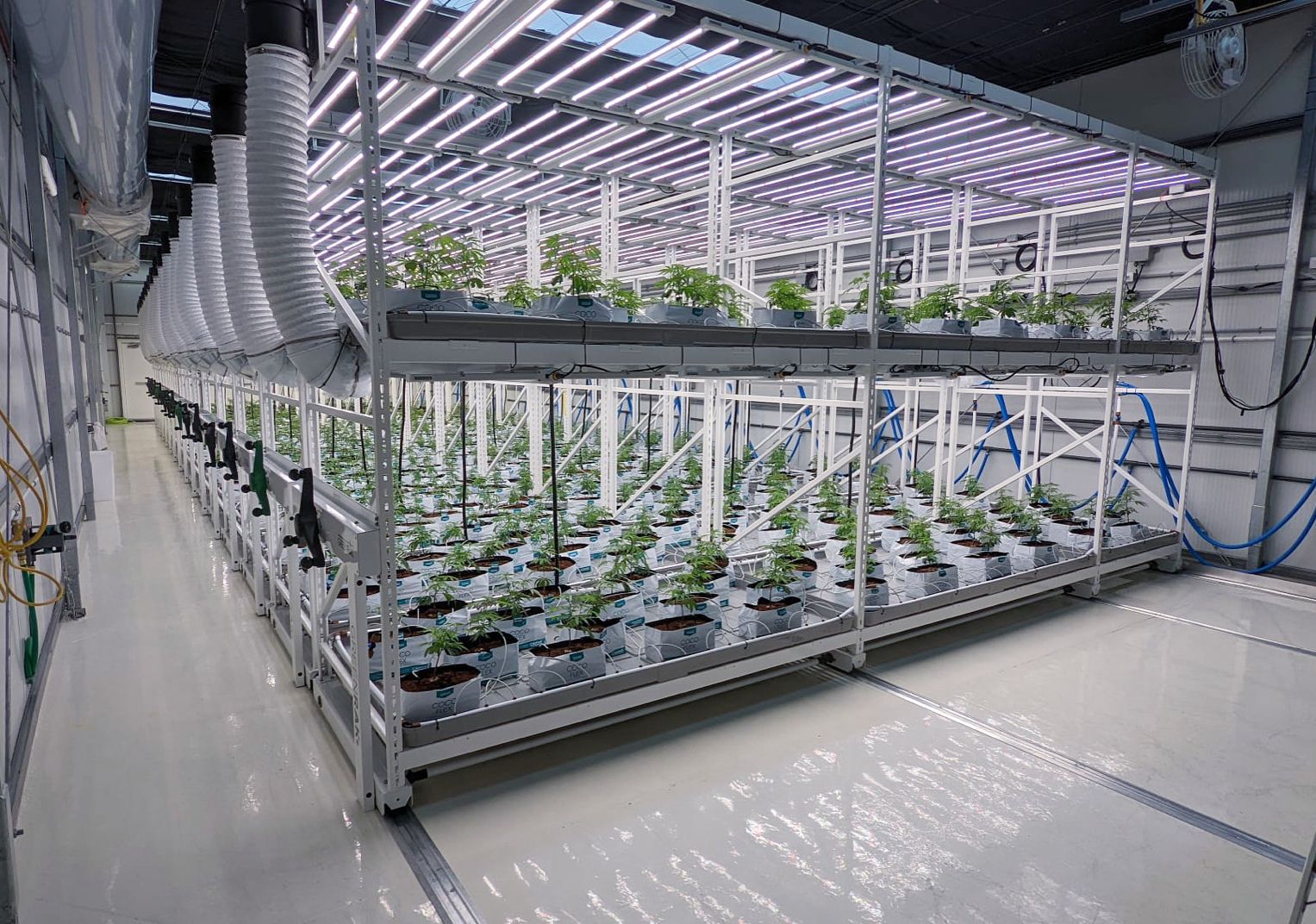
🌿 Case in point: Little Leaf Farms in Massachusetts leveraged Montel’s GREENRAK™ 2.0 mobile benches to boost harvest efficiency and sustainability (less water, less energy, zero pesticides).
What Sets Montel Apart:
- Precision-engineered mobile benches and multi-tiered systems.
- Ergonomic harvesting solutions to reduce labor strain.
- Future-proof infrastructure with layout flexibility and ROI analysis.
Take the first step toward scalable, sustainable growth.
Explore Montel’s GREENRAK™ 2.0 Mobile Grow Systems or speak with an advisor to unlock your greenhouse’s full potential.
Quick Reference: Strategic Greenhouse Partnerships
Partnership Type: |
Key Benefit |
Ideal Use Case |
1. Energy Advisor |
Reduce OpEx, Access Rebates |
USA, Canada, Europe |
2. Public-Private |
R&D Access, Non-dilutive Capital |
Innovation-driven expansion |
3. In-House Synergy |
Expand Products, Test Tech |
Mixed Crop Environments |
4. Racking Partner |
Maximize Density, Optimize Light |
Scaling and Efficiency Overhaul |