Terpenes 101: Maximizing Flavor and Yield in Vertical Cultivation
Insights on vertical farming - June 17th 2026
Key Takeaways
- The Value of Terpenes: Terpenes dictate the aroma, flavor, and therapeutic "entourage effect" of cannabis, directly impacting market value.
- Environmental Sensitivity: Terpene preservation requires strict climate uniformity; minor fluctuations in heat or airflow can evaporate these volatile compounds.
- Microclimate Prevention: High-density vertical farming layouts must be engineered to promote consistent canopy airflow and eliminate stagnant air pockets.
- Infrastructure Matters: Racking systems like GROWRAK™ are designed to integrate seamlessly with vertical ventilation, protecting delicate trichomes from seed to harvest.
What Are Terpenes?
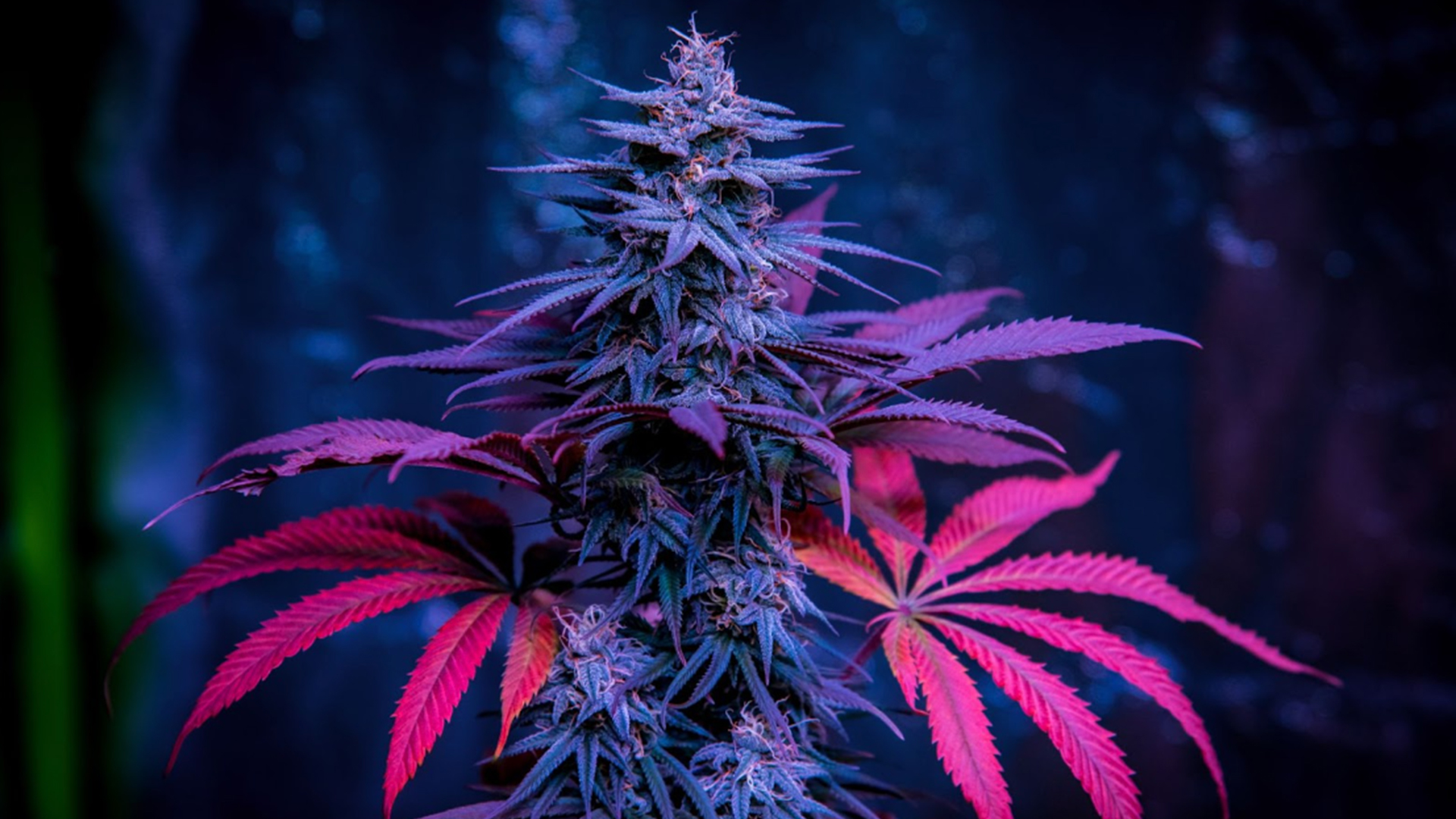
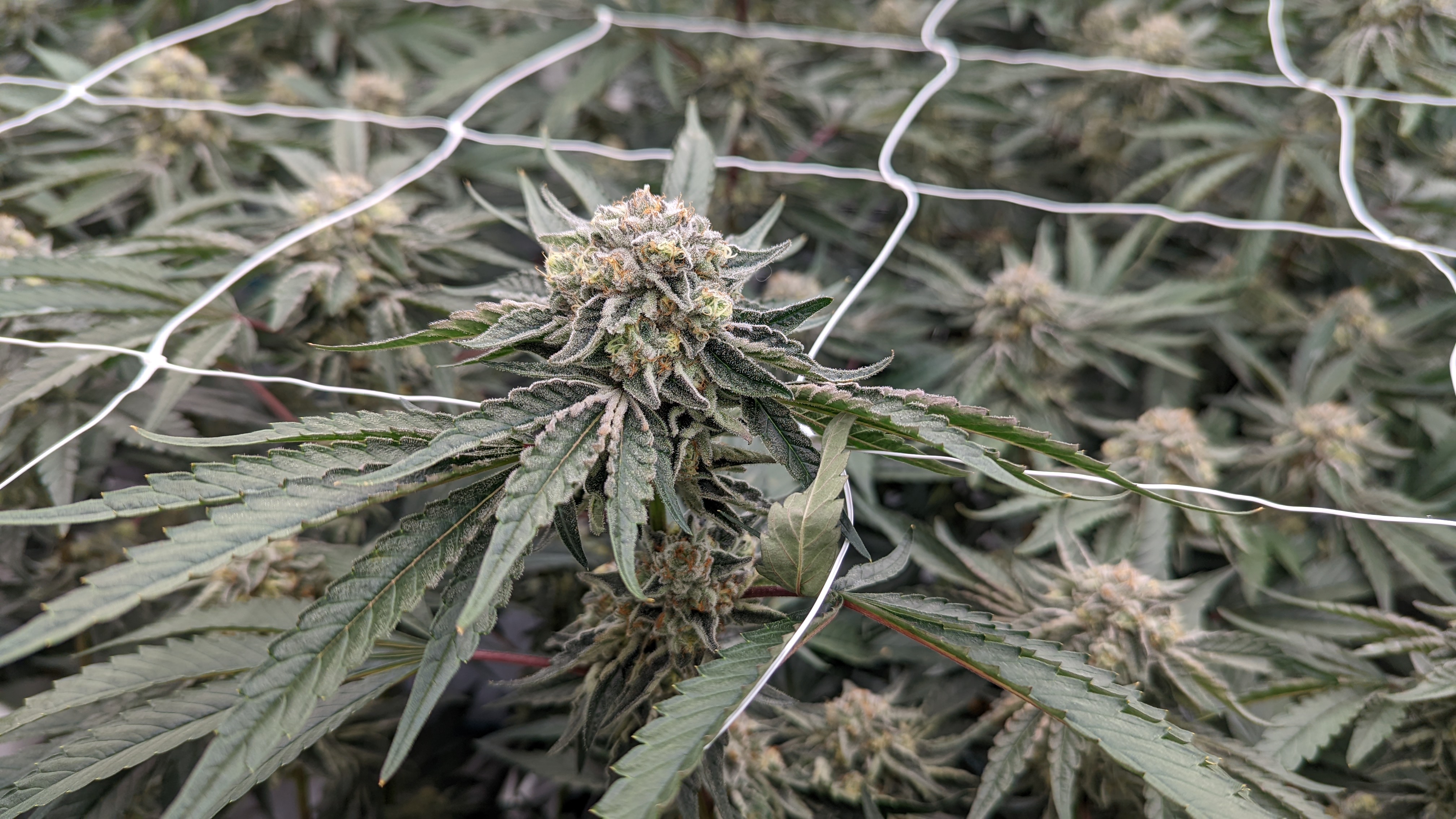
Terpenes are organic, aromatic compounds produced in the plant's trichomes—the translucent, mushroom-shaped glands that frost the surface of mature cannabis flowers. In nature, plants use these scents as a defense mechanism to repel pests or attract pollinators.
In commercial cultivation, terpenes do something far more valuable: they create the distinct flavor profiles (citrus, pine, fuel, earth) and interact with cannabinoids to produce the "entourage effect." This synergy customizes the user experience, dictating whether a strain is deeply sedating or highly energizing. Beyond aroma and flavor, terpenes contribute to a strain’s unique identity and play an increasingly important role in consumer purchasing decisions.
The Environmental Challenge: Protecting Volatile Chemistry
Scientists have identified over 150 terpenes in cannabis, each contributing unique aromatic characteristics and potential therapeutic benefits. For example, α-pinene has been studied for its anti-inflammatory properties, while limonene is widely recognized for its uplifting citrus aroma and potential mood-enhancing effects. Because many terpenes are highly volatile, excessive heat can accelerate their degradation and reduce terpene retention during cultivation. In a traditional grow room, or a poorly designed vertical farm, uneven HVAC distribution creates microclimates—pockets of trapped heat and stagnant humidity. If your canopy temperature spikes by even a few degrees on an upper tier, your premium terpene profile evaporates before harvest. In multi-tier cultivation environments, these inconsistencies often occur between upper and lower growing levels, making environmental uniformity a critical design consideration. Protecting terpene expression therefore requires more than precise environmental controls—it also depends on infrastructure designed to support consistent growing conditions throughout the canopy.
Engineering for Terpene Excellence
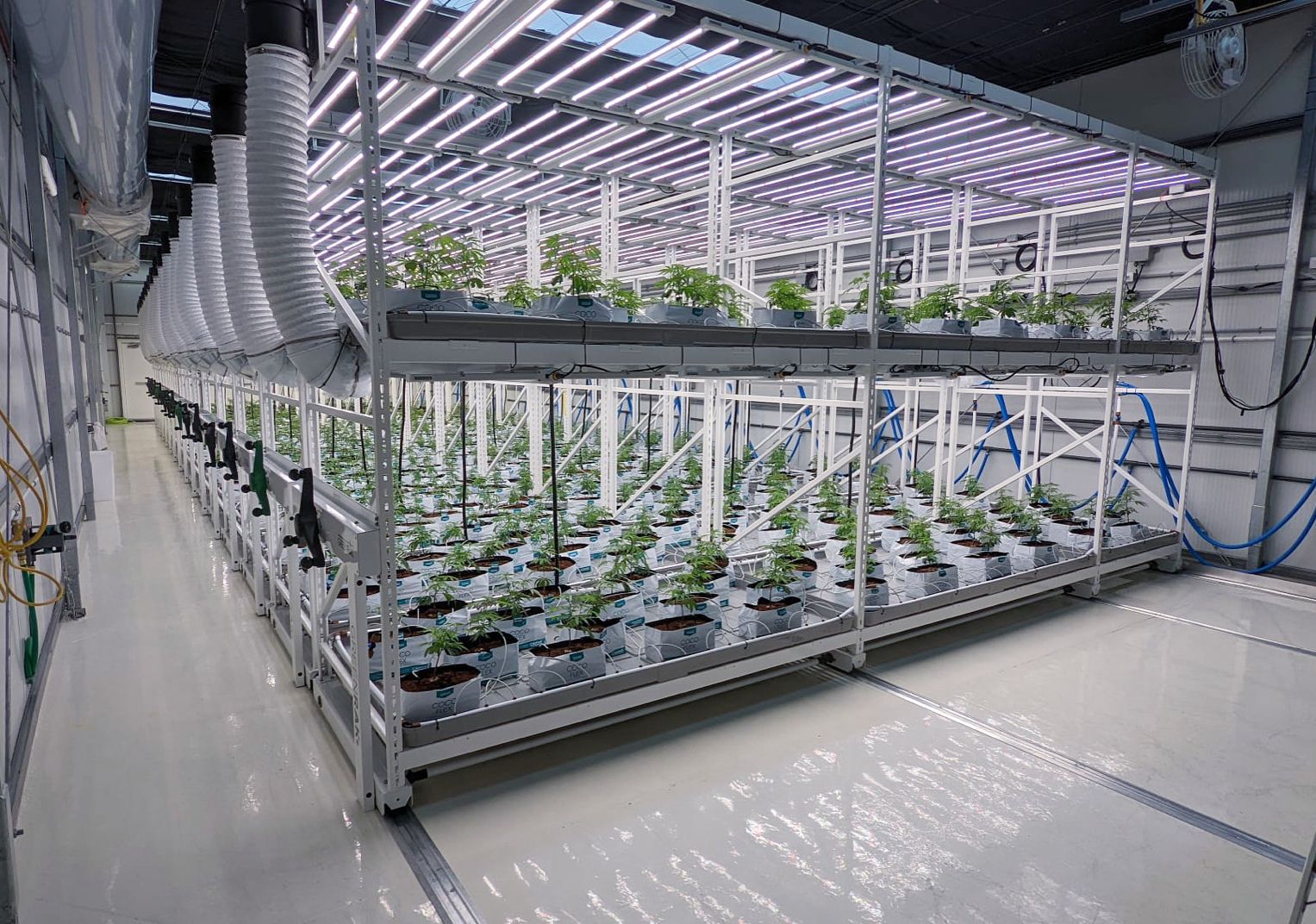
To maximize terpene development without sacrificing production capacity, cultivators are increasingly investing in vertical farming systems that support both high-density production and environmental consistency. Historically, growers often viewed quality and production volume as competing priorities. Modern vertical cultivation systems help bridge that gap by increasing canopy density while maintaining the environmental consistency required for terpene expression. While high-density mobile racking helps maximize growing space, the system must also facilitate airflow, lighting optimization, and efficient sanitation practices to protect crop quality throughout the cultivation cycle.
Montel’s GROWRAK™ systems are designed with these operational requirements in mind:
- Integrated Airflow Channels Our racking profiles are engineered to accommodate under-bench or vertical ventilation systems. This helps eliminate stagnant air zones and promotes consistent temperature and humidity throughout the canopy—from the lowest tier to the highest row.
- Precision Light Positioning Light intensity plays a critical role in trichome development. Tool-free adjustable shelving allows cultivators to fine-tune the distance between the canopy and LED fixtures as plants mature, helping maximize light exposure while reducing the risk of heat stress.
- Optimized Cleaning Cycles Pathogens such as powdery mildew can compromise both crop quality and terpene development. Montel systems feature anti-microbial powder coatings and layouts designed to facilitate efficient cleaning and biosecurity protocols between crop cycles.
Ready to optimize both crop quality and production capacity? Contact your local Authorized Montel Distributor to learn how GROWRAK™ mobile cultivation systems can help create the environmental consistency needed to support premium cannabis production.
Q&A: Terpenes and Environmental Uniformity in Vertical Cultivation
Q: Does growing vertically increase the risk of heat buildup and terpene loss?
A: It can if airflow and environmental controls are not properly designed. In multi-tier cultivation systems, warm air naturally rises, creating the potential for temperature differences between upper and lower growing levels. Effective ventilation, airflow distribution, and canopy monitoring are essential to maintaining consistent conditions and protecting terpene expression throughout the facility.
Q: Why are terpenes so sensitive to environmental conditions?
A: Terpenes are highly volatile aromatic compounds. Excessive heat, poor airflow, and environmental fluctuations can impact their retention and expression during cultivation. Maintaining stable temperature and humidity levels throughout the flowering cycle helps preserve the aroma, flavor, and overall quality that consumers expect.
Q: Can environmental conditions vary between tiers in a vertical grow system?
A: Yes. Without proper airflow design and environmental controls, temperature and humidity can vary between upper and lower growing levels. This is why many cultivators focus on airflow management, ventilation integration, and canopy monitoring to maintain consistent growing conditions throughout the system.
Q: How can growers maximize terpene expression while increasing production capacity?
A: The key is balancing canopy density with environmental uniformity. Modern vertical farming systems allow growers to increase production without sacrificing quality, provided that airflow, lighting, irrigation, and climate controls are designed to support consistent growing conditions across every tier.
Q: How do I get started with designing a terpene-optimized cultivation space?
A: Start by evaluating how airflow, lighting, irrigation, and environmental controls interact within your facility. Your local Authorized Montel Distributor can provide complimentary 2D and 3D layouts to help visualize how a high-density cultivation system can integrate with your existing infrastructure and operational goals.